How the quiz works
This quiz is a game to play as a couple. It doesn't read the future. It looks at the life you picture and finds the family that goes with it. It asks 12 very simple questions. For example, it asks what a Sunday morning will look like in 10 years and what your next car will be.
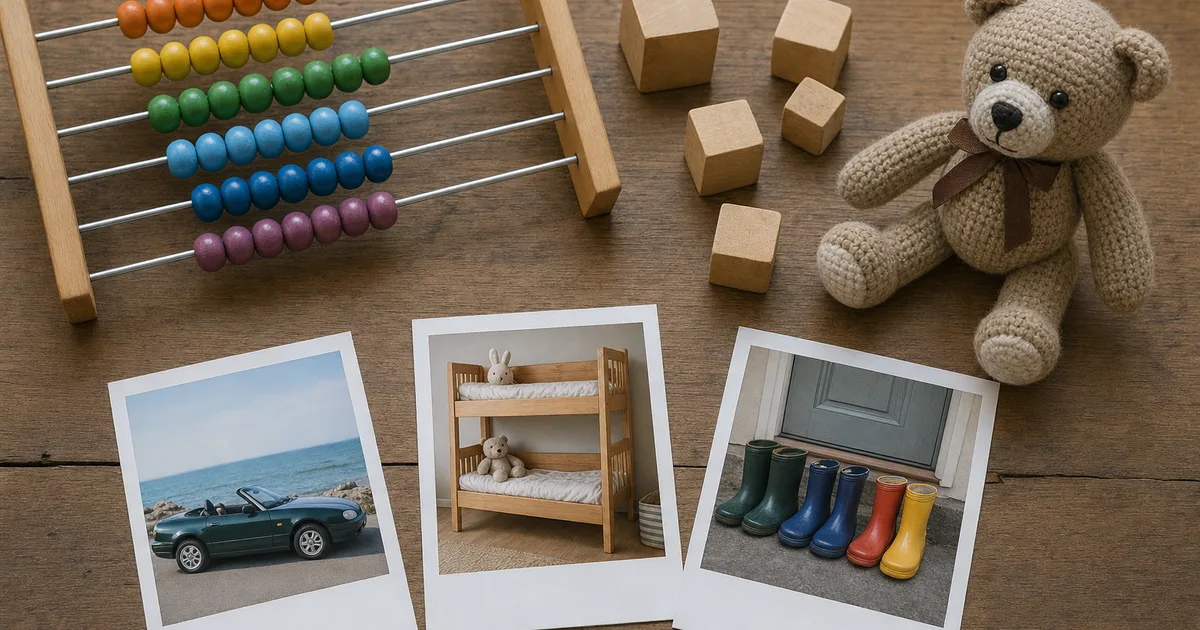
Take the question about the car. If you answer “a two-seater convertible”, the quiz gives points to the life for two. If your partner answers “a 7-seater people carrier”, it gives points to the big family. At the end, the quiz adds up your answers and keeps the result with the most points.
The first person answers the 12 questions and then passes the phone. The second person answers without seeing what the first one chose. Then the quiz shows you your result as a couple, with its photo. It also shows the result each of you would have got alone and the list of questions where you gave different answers.
You can also take the quiz on your own and answer for your couple. But you won't know what your partner would have answered. That's a pity, because it's a good chance to talk about your future!
The 6 results of the quiz
The quiz can give 6 results. They go from a life for two to a big family. There's also a result for couples who are in no hurry.
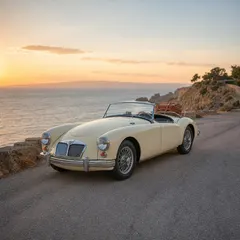
A life for two
For couples who value their freedom and their travels.
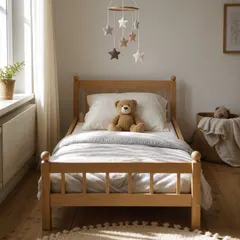
One child
For couples who want a child and time for themselves.
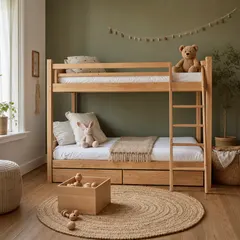
Two children
For couples who picture a lively home but not an overwhelmed one.
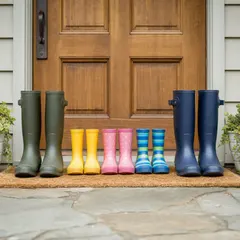
Three children
For couples who don't mind noise at all.
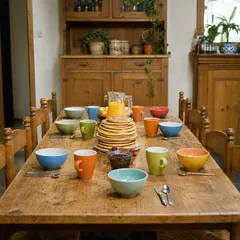
Four children or more
For couples who dream of a full table.

Not just yet
For couples who have other plans first.
How many children do people have today?
The quiz is a game but the question is a serious one. Here's what the figures say.
Fewer than 2 children per woman
In England and Wales, women have 1.41 children on average. That's the figure from the Office for National Statistics for 2024 and it's the lowest on record. In the United States, the figure was just under 1.6 the same year. That's a record low too.
The family people picture and the one they have
People picture bigger families than the ones they have. In 2023, the polling firm Gallup asked Americans what the ideal family size is. 45% said three or more children, the highest share since 1971. Between the idea and real life, there's often work and housing. There's also whether you want a child at all, and the answer isn't always the same for each partner.
One child at a time
The number of children is rarely decided in one go. Most couples first decide to have one child. Then they see how it goes. It's better to talk about a few things before you become parents. For example, who will get up at night and who will cut back on work.
What if you don't get the same result?
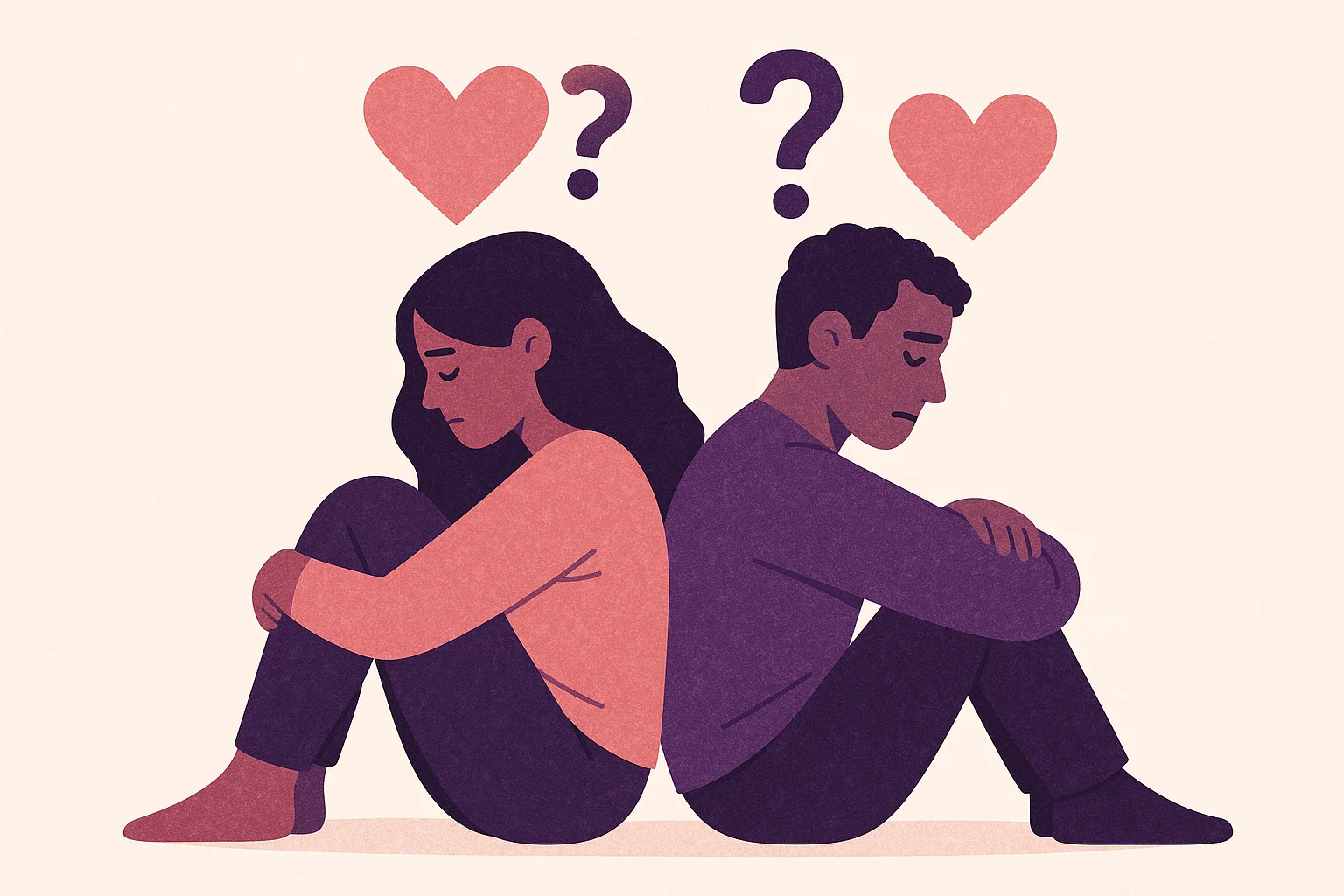
It happens a lot. For example, one of you gets “two children” and the other gets “not just yet”. It's no big deal. The quiz counts the points from your answers and a few points are enough to change the result.
Look at the list of questions where your answers are different instead. If they're about the car or holidays, it doesn't matter much. If they're about the question “so, when's it happening?”, take the time to talk about it. It's better to find out early that you don't want the same thing.
What you should know about this quiz
This quiz is a game. It doesn't predict how many children you'll have. It knows nothing about your health, your age or your situation. Having a child doesn't depend only on wanting one and it doesn't always go to plan. If this is a painful subject for you right now, this game may not be for today.
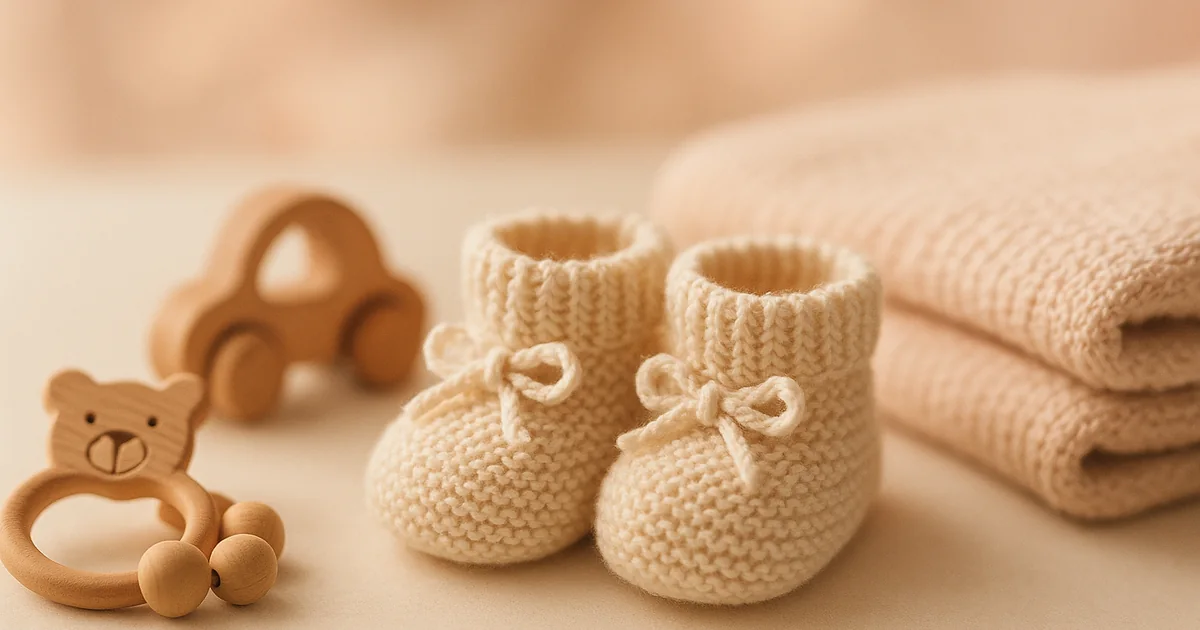
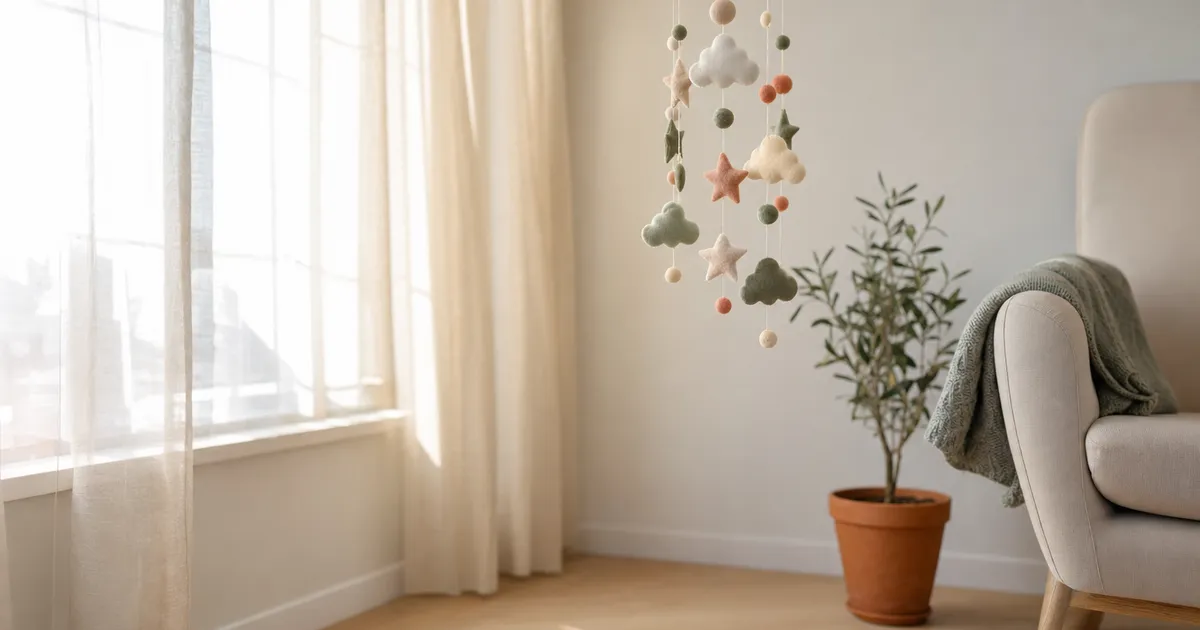
Your answers aren't saved, they stay on your phone. We only count which result you get, to see which ones come up most. Your name isn't saved either. The photos were created for this page.